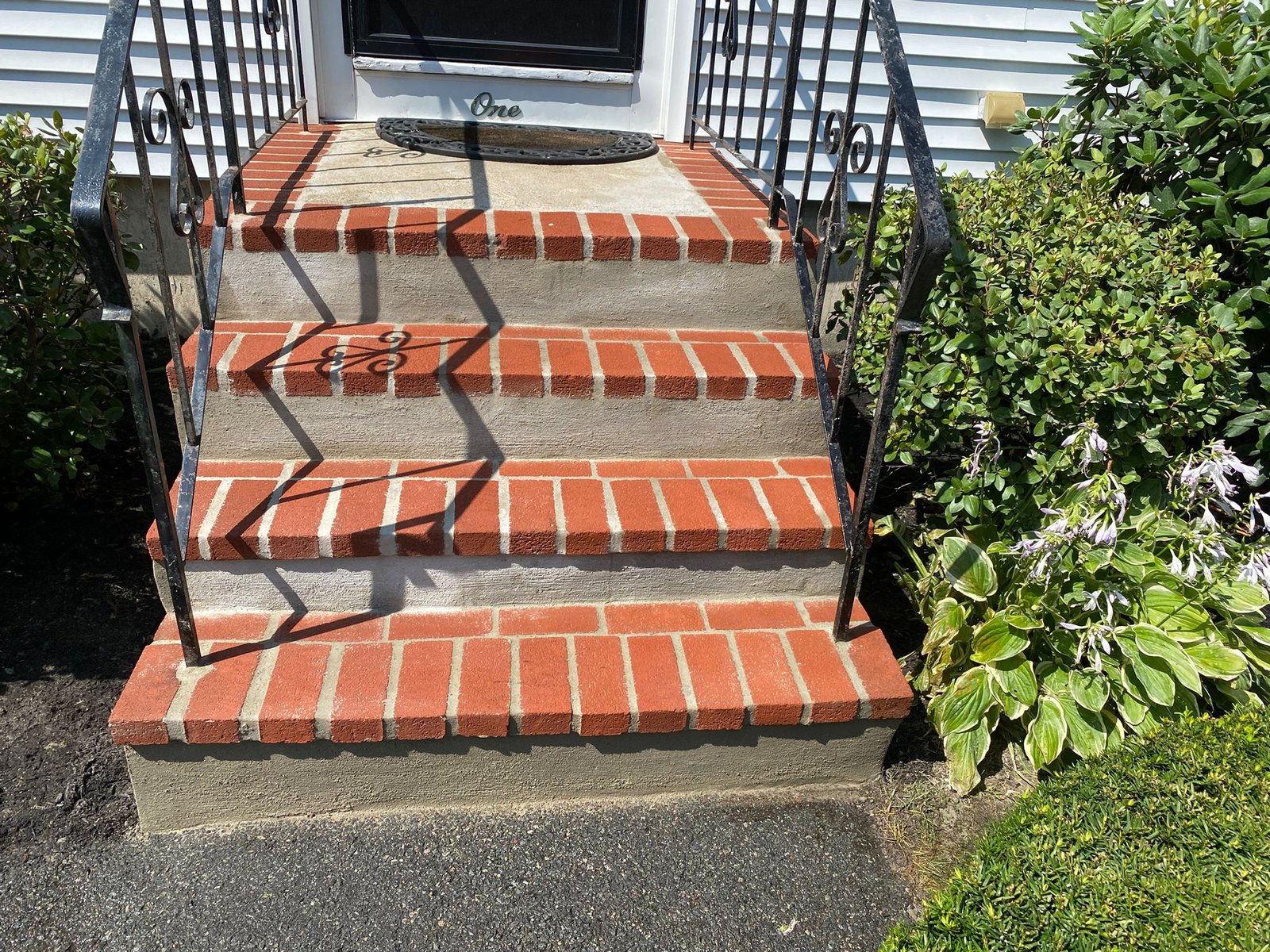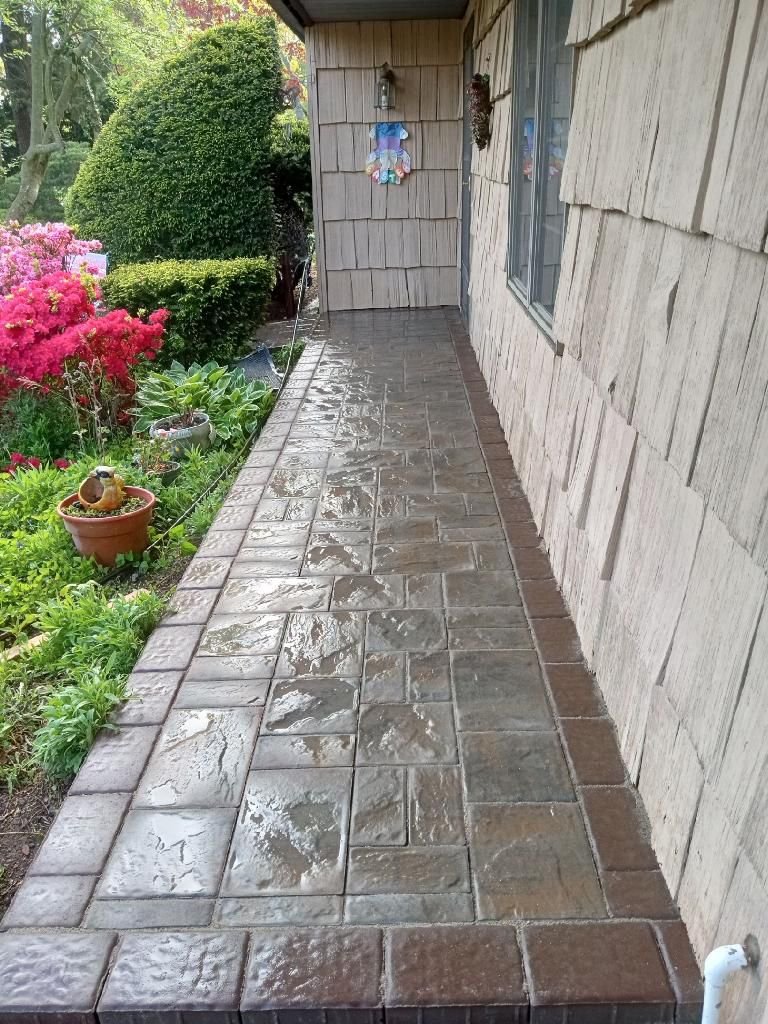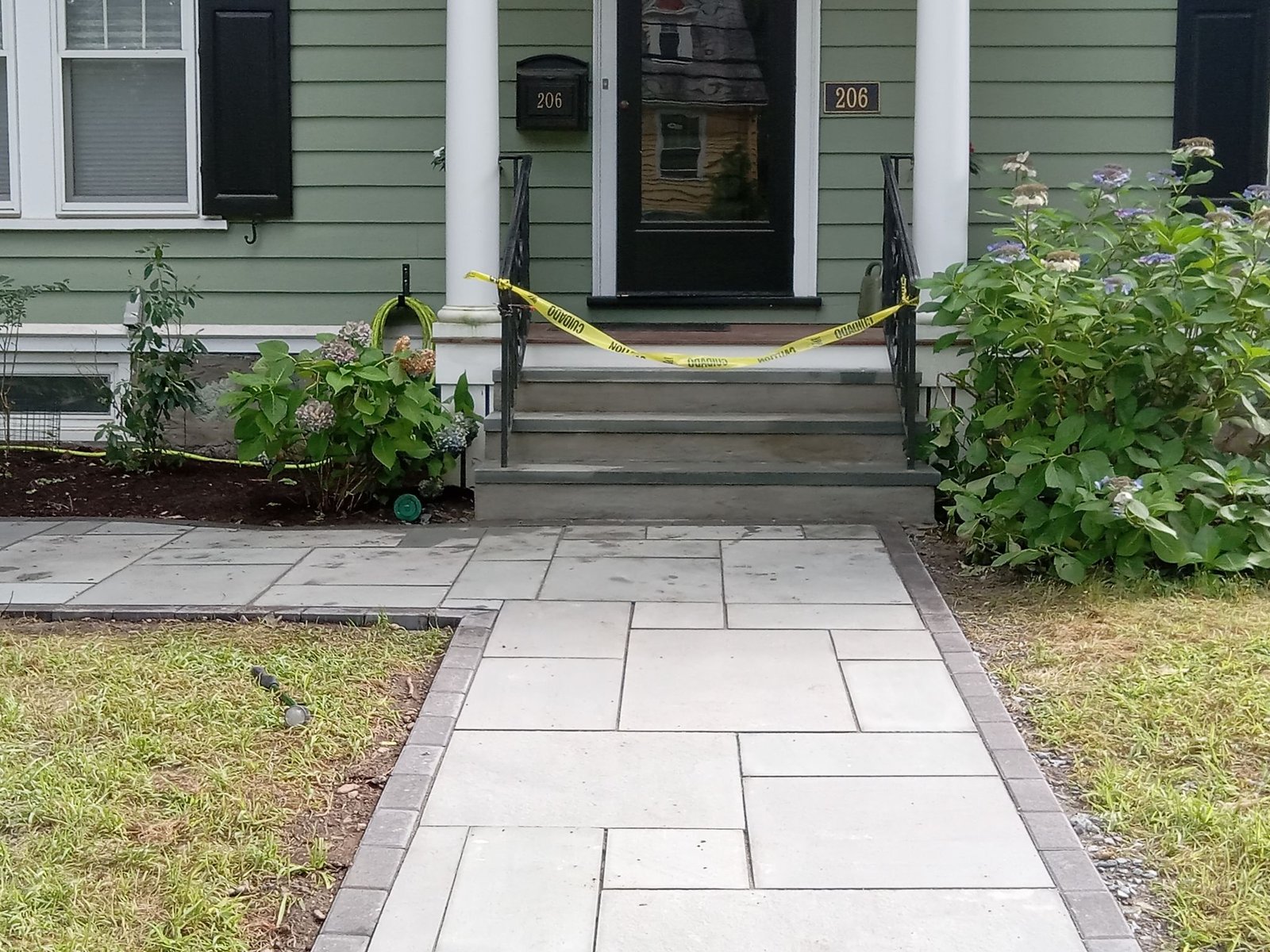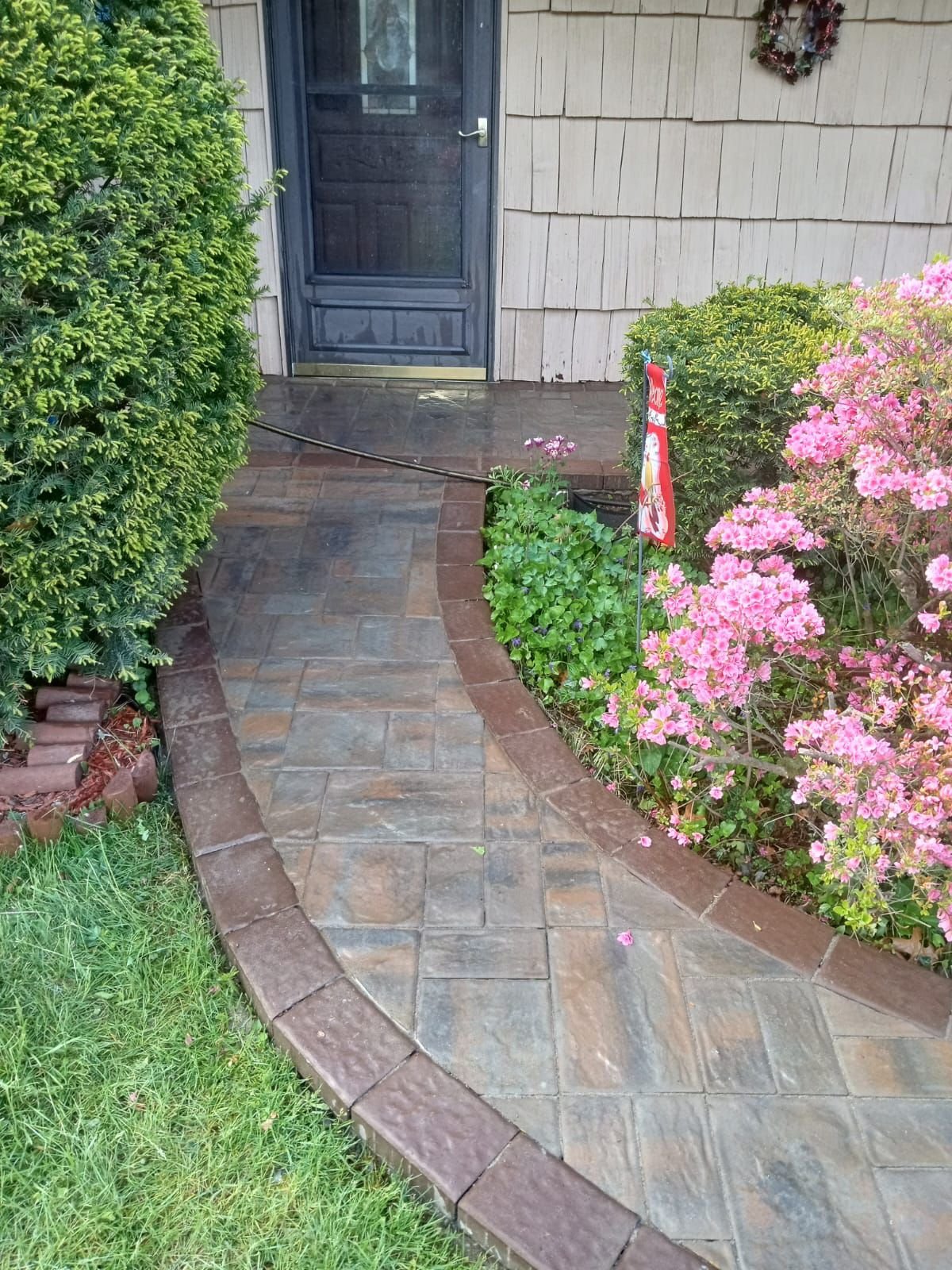
Cambridge is known for its historic neighborhoods, distinctive architecture and older brick buildings. From traditional residences near Harvard Square to brick homes throughout Cambridgeport, Mid-Cambridge and East Cambridge, masonry contributes significantly to the city’s architectural character.
Although properly constructed brickwork can last for generations, the mortar between the bricks gradually deteriorates. Massachusetts rain, snow, moisture and repeated freeze-thaw cycles can accelerate that deterioration. Once mortar joints begin to fail, water may penetrate the wall and cause loose bricks, interior dampness, cracking or more extensive masonry damage.
Historic brick repointing removes deteriorated mortar and replaces it with a carefully selected new mortar. When completed correctly, repointing strengthens the masonry, improves weather resistance and preserves the building’s original appearance.
For older Cambridge properties, however, repointing requires more than filling visible gaps. The replacement mortar must be compatible with the historic bricks and should closely match the original mortar’s composition, strength, color, texture and joint profile.
Quick answer: What is historic brick repointing?
Historic brick repointing is the process of carefully removing deteriorated mortar from the joints of an older brick wall and replacing it with compatible new mortar.
The objective is to restore the wall without damaging the original bricks or changing its historic appearance. A proper repointing project should:
- Remove only loose or deteriorated mortar
- Protect the edges of the existing bricks
- Use mortar compatible with the original masonry
- Match the original color, texture and joint profile
- Improve resistance to rain and moisture
- Preserve the character of the building
The National Park Service’s historic masonry guidance emphasizes selecting appropriate materials and methods when repointing historic masonry buildings.
Why mortar is so important to historic brickwork
Mortar does much more than hold bricks together. It helps distribute loads, accommodates minor building movement and provides a path through which moisture can leave the masonry.
In many older buildings, mortar was intentionally softer and more vapor-permeable than the surrounding bricks. This allowed the mortar joints to absorb movement and weathering before the bricks were damaged.
The mortar effectively acted as a replaceable or sacrificial component of the wall.
When an excessively hard or impermeable mortar is installed around softer historic bricks, moisture and stress may be redirected into the bricks. Over time, this can contribute to:
- Cracked brick faces
- Spalling or flaking
- Trapped moisture
- Accelerated freeze-thaw damage
- Separation around mortar joints
- Permanent loss of historic masonry
This is why mortar strength alone should not determine which mixture is used. The new mortar must work properly with the existing brick.
Signs that historic brickwork needs repointing
Some mortar deterioration is immediately noticeable, while other problems require a closer inspection. Cambridge homeowners should watch for the following warning signs.
1. Crumbling mortar
Mortar that breaks apart when lightly scraped has likely lost much of its ability to protect the wall. Powdery or sandy mortar can indicate advanced weathering.
2. Missing mortar joints
Open gaps allow rain and melting snow to enter the wall. These openings can become progressively larger as moisture freezes and expands.
3. Recessed or eroded joints
Mortar joints that have worn substantially behind the brick surface may hold water or allow it to enter the masonry assembly.
4. Loose or moving bricks
Loose bricks may indicate that the surrounding mortar has lost its bond. Localized repointing may be sufficient, but more extensive movement should be professionally evaluated.
5. Spalling bricks
Spalling occurs when the face of a brick flakes, chips or breaks away. It is frequently associated with moisture exposure and freeze-thaw damage, although incompatible previous repairs can also contribute.
6. Interior moisture or staining
Damp patches, peeling paint, damaged plaster or musty odors near an exterior brick wall may indicate water penetration. Mortar deterioration is one possible cause, but roofs, flashing, gutters and drainage should also be inspected.
7. Visible cracks
Stair-step cracks following the mortar joints can indicate movement. Small mortar cracks may require repointing, while widening or displaced cracks may need structural investigation.
Repointing repairs deteriorated mortar; it does not correct an active structural or foundation problem.
Why Cambridge weather damages mortar joints
Historic masonry in Cambridge experiences considerable seasonal stress. Water may enter small openings during rain, snow or melting conditions. When temperatures fall below freezing, trapped moisture expands.
Repeated freezing and thawing can gradually enlarge cracks and weaken both mortar and brick.
Additional sources of masonry deterioration include:
- Poor roof or chimney flashing
- Leaking or overflowing gutters
- Damaged downspouts
- Plumbing leaks
- Rising damp
- Poor ground drainage
- Failed window and door seals
- Incompatible coatings or sealants
- Previous repairs made with unsuitable mortar
Repointing should be combined with correction of the original moisture source. Otherwise, the new mortar may deteriorate prematurely.
Historic repointing versus ordinary mortar repair
Modern brickwork and historic masonry do not always require the same repair materials or techniques.
Historic repointing may involve:
- Examining the existing mortar
- Identifying previous repairs
- Evaluating the hardness and condition of the brick
- Matching mortar color and aggregate
- Reproducing the original joint shape
- Preparing a sample panel
- Using controlled mortar-removal techniques
- Allowing appropriate curing time
- Protecting nearby historic materials
The visual details also matter. Even technically sound mortar can look inappropriate if the color, texture, width or joint profile is noticeably different from the original masonry.
Cambridge preservation guidance for designated properties commonly emphasizes maintaining the mortar’s strength, color, texture and joint profile. Owners of designated historic properties should determine whether local review or approval is required before beginning exterior work.
Why mortar matching matters
A compatible replacement mortar should be selected based on the characteristics of the existing wall—not simply by choosing the strongest available mixture.
Important factors include:
Mortar strength
The replacement mortar generally needs to accommodate the existing brick rather than overpower it. An unsuitable hard mortar can transfer stress to softer masonry units.
Vapor permeability
Historic masonry often manages moisture partly through the mortar joints. A compatible mortar should allow the wall to dry appropriately.
Color
Mortar color is influenced by binders, sand, pigments and curing conditions. Because mortar makes up a noticeable portion of a brick wall, an incorrect color can substantially change the façade.
Texture
The type and grading of sand affect the finished texture. Historic mortar may contain aggregates that look different from those found in standard modern mixtures.
Joint profile
Concave, flush, weathered, grapevine and other joint profiles produce different visual and drainage characteristics. The replacement profile should be appropriate for the building.
The historic brick repointing process
A professional repointing project normally follows a controlled sequence.
Step 1: Masonry inspection
The wall is inspected for deteriorated joints, loose bricks, cracking, spalling, staining and water-entry points. The contractor should determine whether repointing alone is sufficient.
Step 2: Mortar and material evaluation
The existing mortar is evaluated for its approximate composition, strength, color, texture and joint profile. Older repairs should be distinguished from original work where possible.
Step 3: Sample area
A small test panel can demonstrate the proposed mortar color, texture and finishing method. This is especially valuable on highly visible or historically significant façades.
Step 4: Controlled mortar removal
Deteriorated mortar is removed to a suitable depth without damaging the brick edges. Aggressive grinding can chip or widen the bricks and should be avoided where it could damage historic masonry.
Step 5: Joint preparation
Dust and loose material are removed. The joints are prepared so the new mortar can form an effective bond.
Step 6: Installing compatible mortar
New mortar is placed firmly into the prepared joints, often in controlled layers. Proper installation reduces voids and improves durability.
Step 7: Joint finishing
The joints are tooled to achieve the appropriate profile and appearance. Timing is important because finishing mortar too early or too late can affect its texture and performance.
Step 8: Curing and protection
Fresh mortar must be protected from excessive heat, rapid drying, heavy rain and freezing. Proper curing is an essential part of a durable repair.
Step 9: Final inspection
The completed area is checked for consistent joints, clean brick faces and proper mortar bonding. Any remaining water-entry problems should also be addressed.
Can only part of a brick wall be repointed?
Yes. Localized repointing can be appropriate when deterioration is limited to specific areas, such as:
- Beneath windowsills
- Near rooflines
- Around chimneys
- At building corners
- Below leaking gutters
- Near downspouts
- Along exposed elevations
However, spot repairs should blend with the surrounding wall and use compatible mortar.
If mortar deterioration is widespread, full-wall repointing may provide better protection and a more consistent appearance. A masonry inspection can determine whether localized or comprehensive repointing is more appropriate.
Repointing versus brick replacement
Repointing repairs mortar joints. It does not restore bricks that have already failed.
Repointing may be sufficient when:
- The bricks remain sound
- Deterioration is mainly in the mortar
- Cracking is limited and stable
- The wall is not significantly displaced
Brick replacement may also be needed when:
- Brick faces are severely spalled
- Bricks are cracked or broken
- Individual units have become loose
- Previous repairs have damaged the bricks
- Water has caused extensive deterioration
Replacement bricks should be selected to match the existing size, color, texture and performance as closely as practical.
How much does historic brick repointing cost in Cambridge?
The price of historic brick repointing varies because every building has different access, materials and restoration requirements.
Important cost factors include:
- Size of the area
- Depth of mortar deterioration
- Height of the building
- Scaffolding and access requirements
- Number of damaged bricks
- Mortar matching or analysis
- Decorative joint profiles
- Architectural details
- Extent of previous repairs
- Historic-review requirements
- Moisture or structural problems requiring correction
A small, accessible repair will generally cost less than repointing an entire multi-story façade. The most reliable approach is an on-site inspection followed by a written estimate based on the actual condition of the masonry.
Does historic brick repointing require approval in Cambridge?
Requirements depend on the property, its designation and the scope of work. Exterior alterations to certain landmarks and properties within historic or neighborhood conservation districts may be subject to review.
Before starting work, property owners should:
- Confirm whether the property has a historic designation
- Contact the Cambridge Historical Commission when appropriate
- Ask whether a certificate or staff review is required
- Prepare mortar and joint-profile samples if requested
- Confirm whether other municipal permits apply
Routine maintenance may be treated differently from a significant alteration, but homeowners should verify requirements instead of assuming approval is unnecessary.
How to maintain repointed brickwork
Properly completed repointing can provide long-term protection, but surrounding maintenance remains important.
Homeowners should:
- Keep gutters and downspouts clear
- Direct water away from the foundation
- Repair roof and flashing leaks promptly
- Avoid high-pressure washing
- Avoid applying inappropriate waterproof coatings
- Inspect mortar after severe winters
- Address vegetation growing against masonry
- Repair window and door seal failures
- Monitor cracks for movement
- Schedule periodic masonry inspections
The best protection for historic brickwork is controlling moisture before it enters the wall.
Why hire iFix Masonry for brick repointing in Cambridge?
Historic masonry deserves a repair approach that respects both its construction and appearance. iFix Masonry and Home Improvements provides professional repointing and brick repair in Cambridge for older and modern properties.
Our masonry services include:
- Mortar joint inspection
- Brick repointing
- Tuckpointing
- Mortar matching
- Brick replacement
- Crack repair
- Chimney masonry repair
- Historic masonry restoration
- Water-damage assessment
We serve Cambridge, Boston, Brookline, Newton, Waltham, Canton, Dedham, West Roxbury and surrounding Greater Boston communities.
Request a brick repointing estimate in Cambridge
Deteriorated mortar should be repaired before moisture causes more extensive damage to the surrounding bricks or interior walls.
If you have noticed missing mortar, loose bricks, cracking, spalling or water penetration, contact iFix Masonry and Home Improvements for an on-site assessment.
Call: (617) 251-3916
Email: info@ifixmasonry.com
Address: 437 Turnpike St, Canton, MA 02021
Request an estimate for historic brick repointing in Cambridge, MA.