What Is Tuckpointing?
Tuckpointing (also known as repointing) is the process of removing damaged mortar from between bricks and replacing it with fresh mortar to restore strength and appearance.
In cities like Boston, where many homes feature historic brickwork, tuckpointing is essential for maintaining both structural integrity and curb appeal.
Tuckpointing vs Repointing (Is There a Difference?)
Although often used interchangeably:
- Repointing → Replacing old mortar
- Tuckpointing → A refined technique that improves visual finish by adding contrasting mortar lines
👉 In most home improvement contexts, both terms refer to repairing mortar joints.
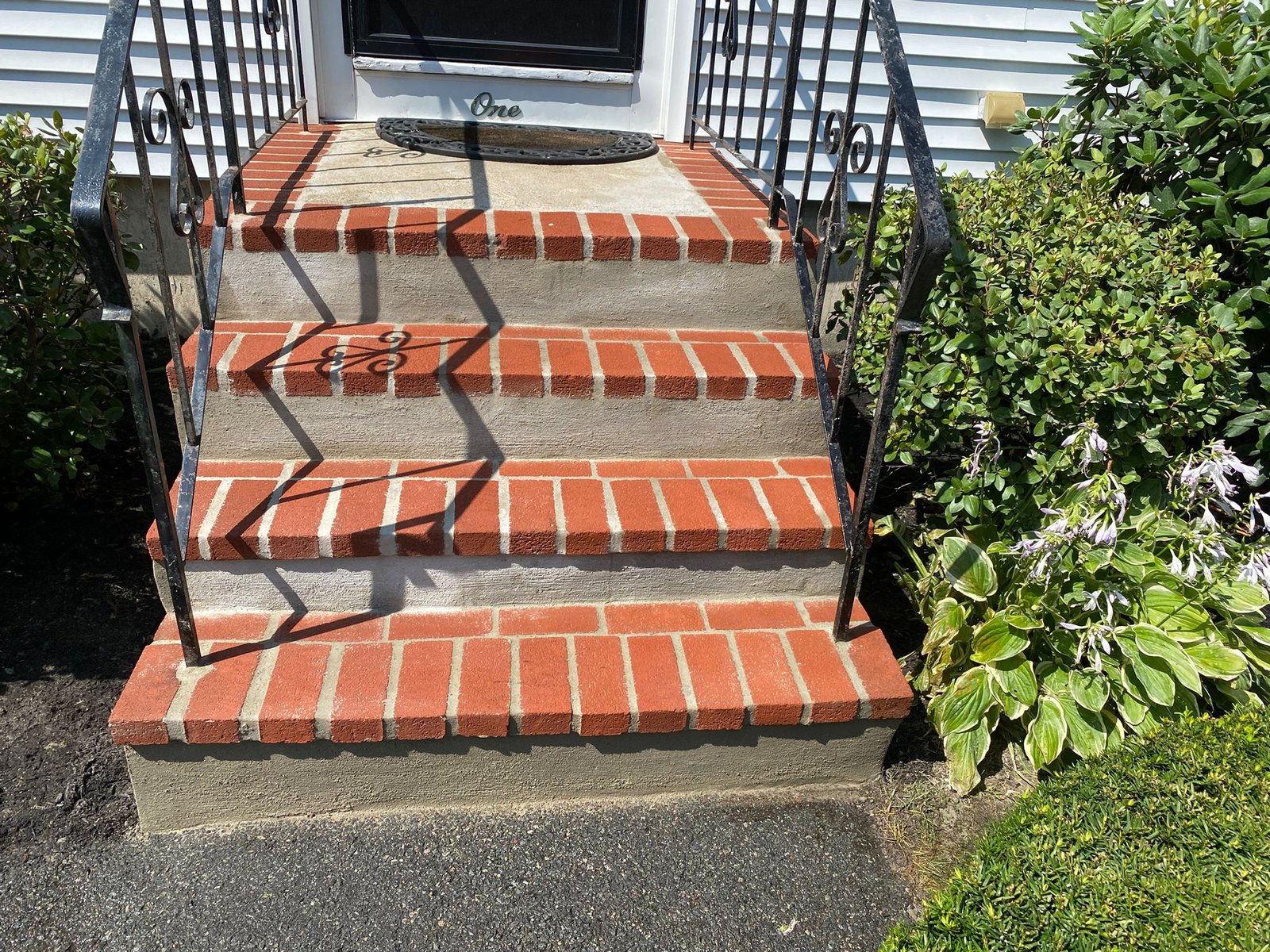
What Does Tuckpointing Look Like?
You’ll notice:
- Clean, sharp mortar lines
- Even spacing between bricks
- Restored color matching original masonry
Why Tuckpointing Is Critical in Massachusetts
Massachusetts weather is brutal on masonry.
Boston homes experience:
- Freeze-thaw cycles
- Heavy snow and rain
- Humidity and moisture penetration
- Salt exposure in winter
👉 When mortar deteriorates, water seeps in — freezes — expands — and destroys the brick structure from within.
Signs You Need Tuckpointing
Watch for these early warning signs:
1. Crumbling Mortar
Mortar falling out or turning to dust is a clear sign.
2. Visible Gaps Between Bricks
Open joints allow water to penetrate your walls.
3. Water Leaks Inside
Damaged mortar often leads to interior moisture problems.
4. Loose Bricks
Without strong mortar, bricks shift and weaken.
5. Discoloration or Weather Damage
Uneven or faded mortar joints indicate aging.
Why Boston Homes Need Regular Repointing
Many homes in:
…are older properties with original masonry.
👉 These structures require periodic maintenance to stay safe and durable.
How Much Does Tuckpointing Cost in Boston?
Typical pricing:
- $8 – $25 per sq ft
- Small repairs: $500 – $1,500
- Full wall repointing: $3,000 – $15,000+
👉 Costs depend on:
- Wall size
- Accessibility
- Brick condition
- Historic restoration requirements
How Long Does Tuckpointing Last?
Proper tuckpointing can last:
👉 20 to 50 years
However, Boston weather may require earlier maintenance if exposure is severe.
Benefits of Tuckpointing
- Prevents water damage
- Strengthens brick structure
- Improves home appearance
- Increases property value
- Extends lifespan of masonry
What Happens If You Ignore It?
Ignoring damaged mortar leads to:
- Brick deterioration
- Structural damage
- Costly rebuilds
- Interior leaks and mold
👉 Tuckpointing is preventative maintenance — not just cosmetic.
Why Hire a Local Boston Masonry Expert?
Choosing a local company like Ifix Masonry and Home Improvements ensures:
- Expertise in Massachusetts weather conditions
- Experience with historic Boston brickwork
- Proper mortar matching techniques
- Long-lasting repairs
Get a Free Tuckpointing Estimate
Ifix Masonry and Home Improvements
📍 437 Turnpike St, Canton, MA
📞 +1 617-251-3916
📧 info@ifixmasonry.com
Serving:
Boston, Brookline, Canton, Cambridge, Waltham, Newton, Dedham & West Roxbury