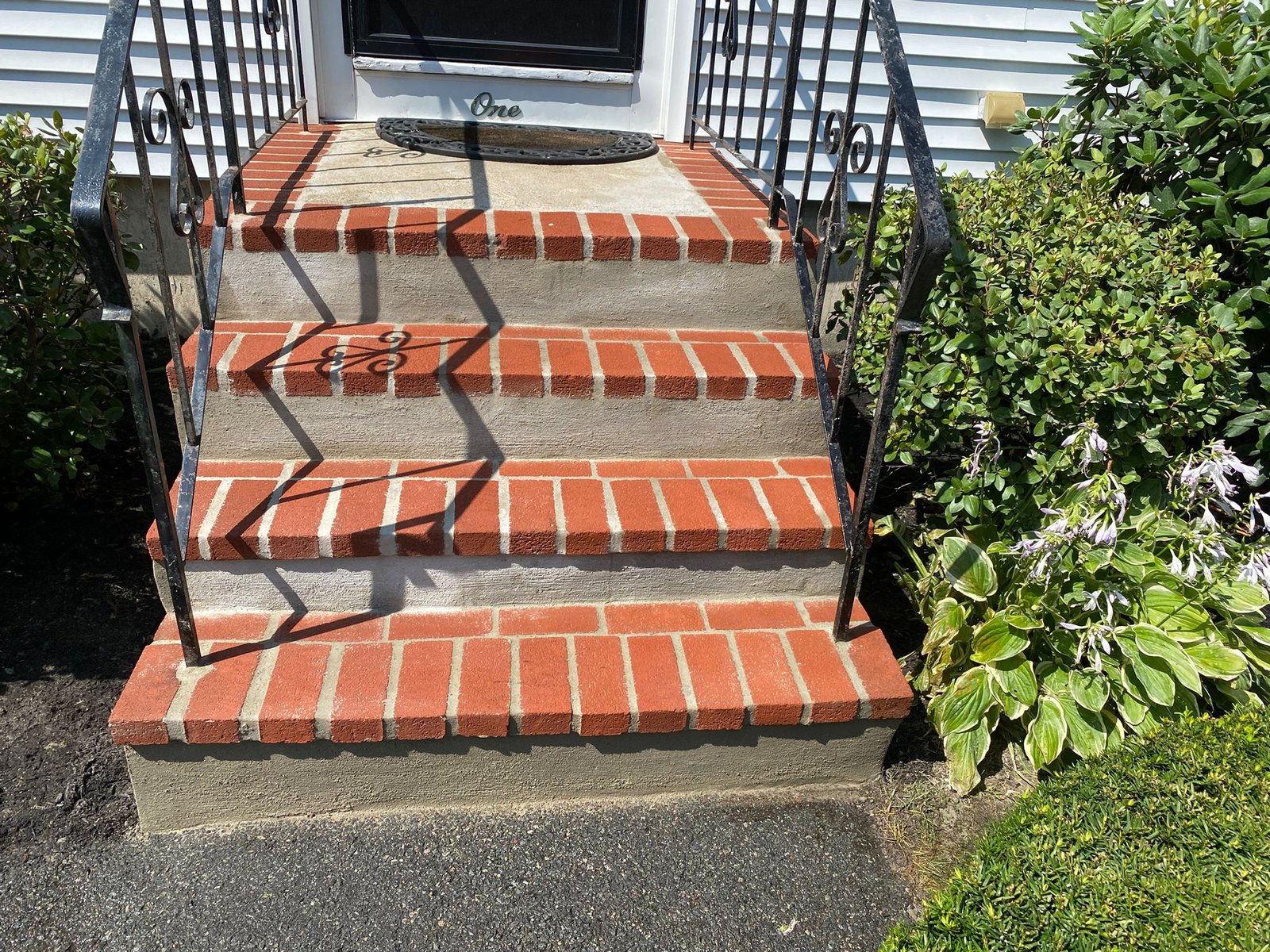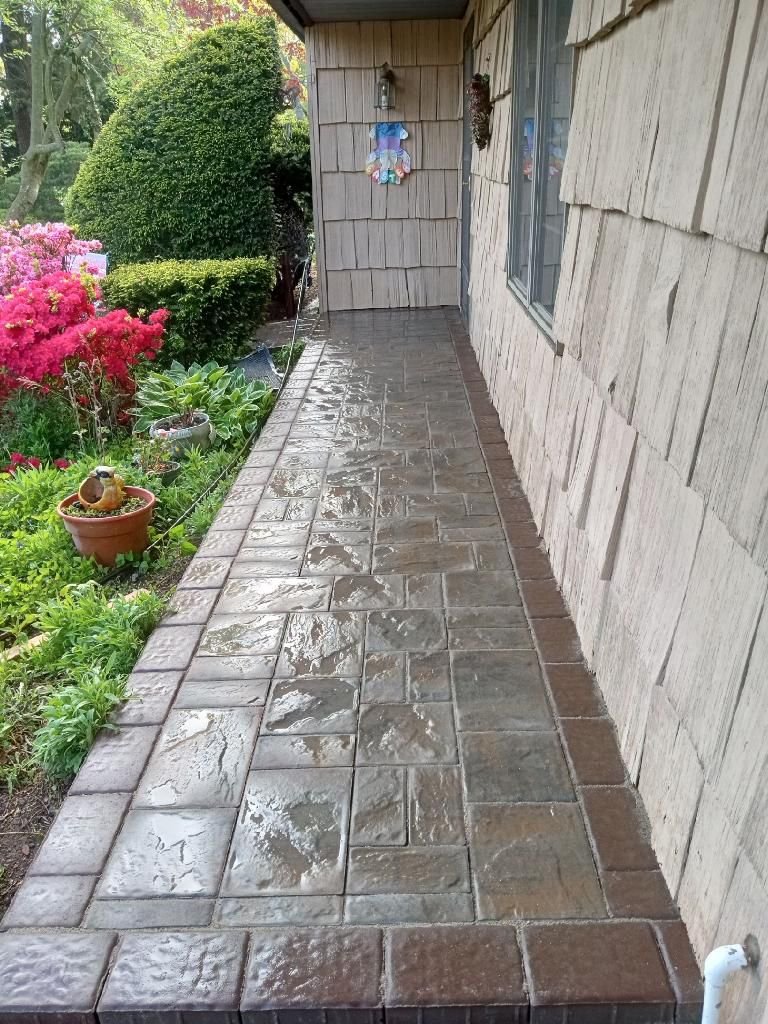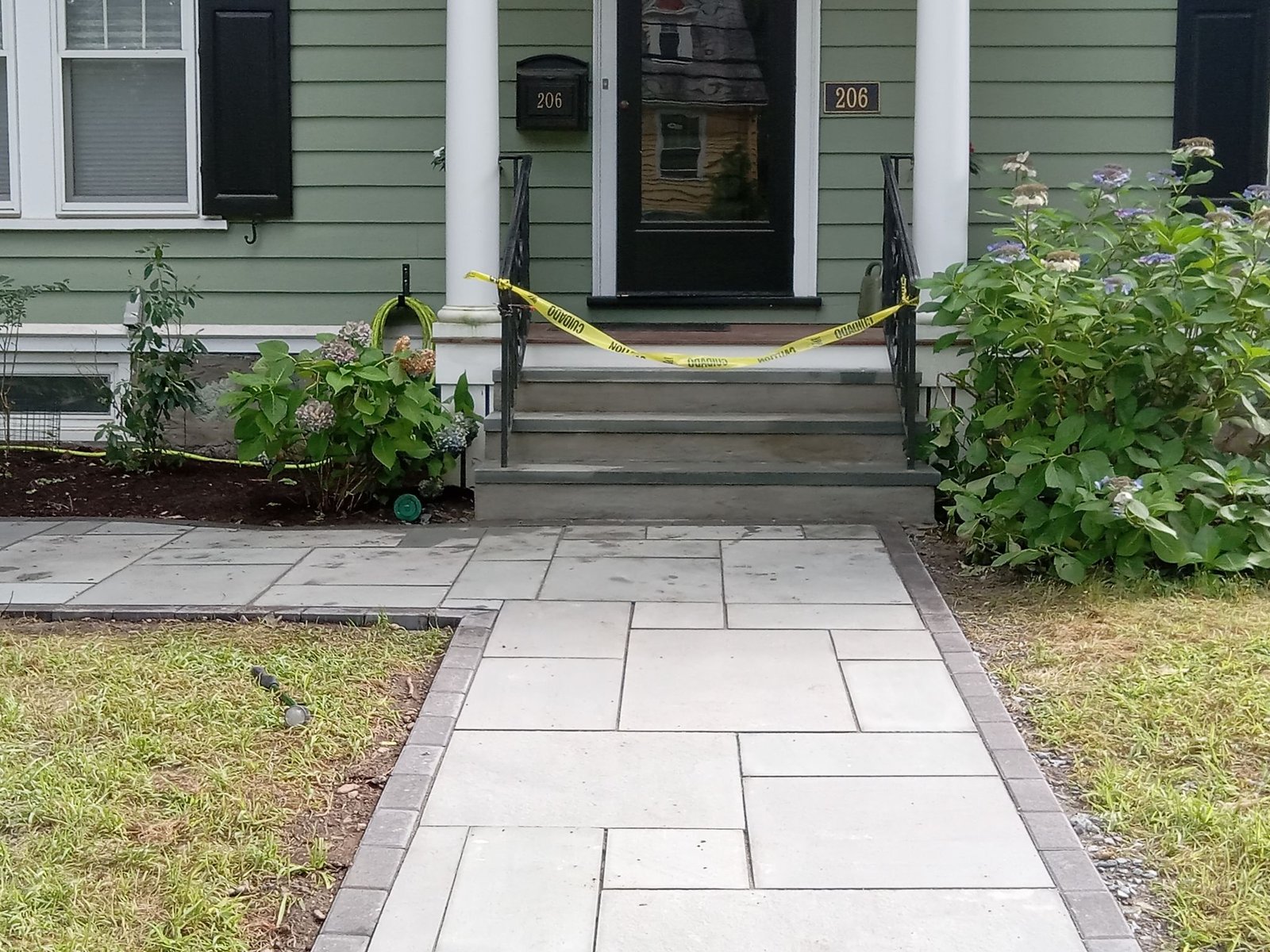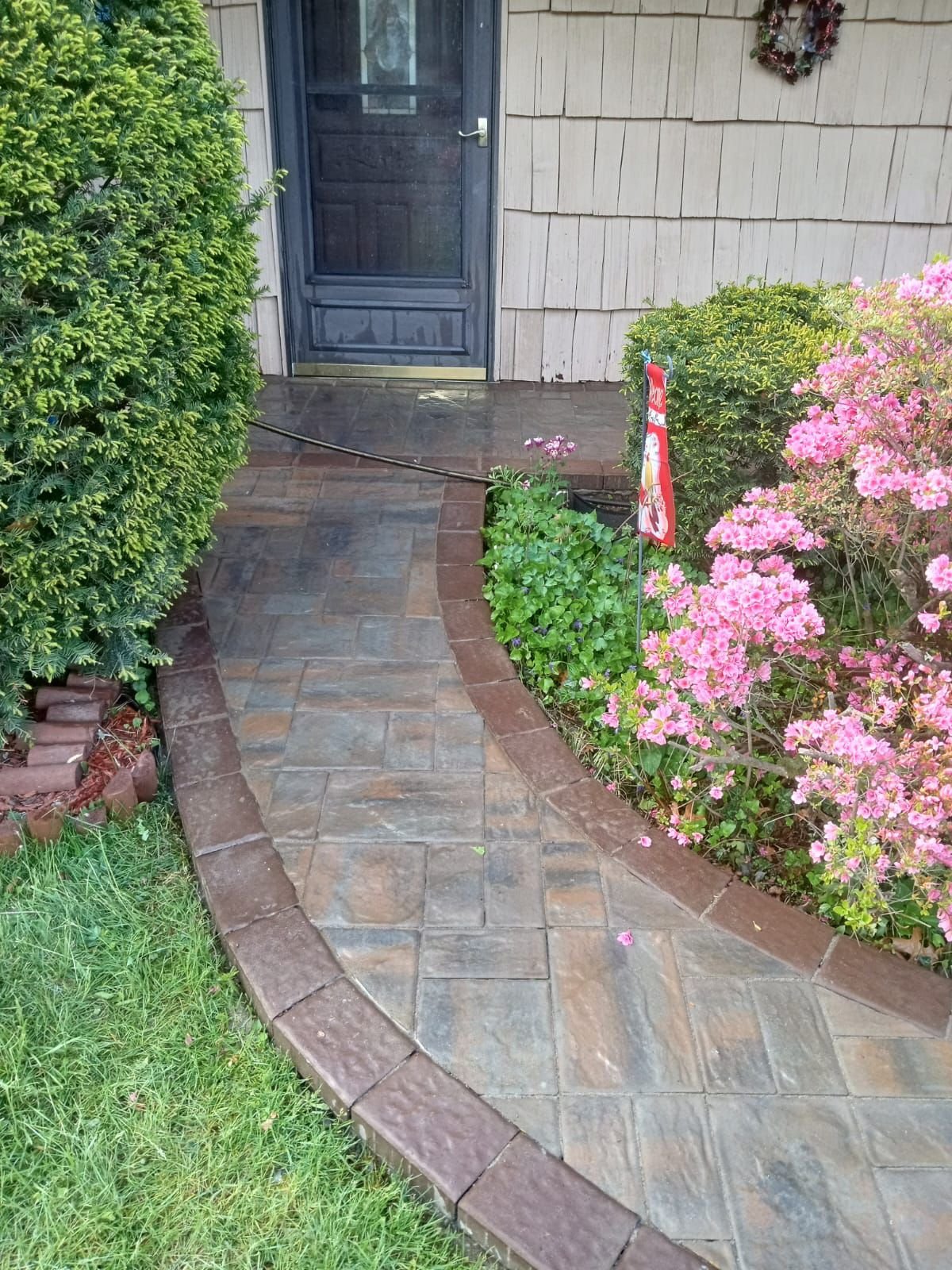
Tuckpointing and repointing are essential masonry repair services for homes across Boston and surrounding Massachusetts areas. Brick and stone masonry can last for many decades, but the mortar between the bricks or stones does not last forever. Over time, mortar can crack, crumble, loosen, or wash out because of moisture, age, winter weather, and freeze-thaw cycles.
For homeowners in Boston, Brookline, Cambridge, Newton, Canton, Waltham, Dedham, and West Roxbury, damaged mortar should be repaired before water enters the masonry system. When mortar joints fail, brick walls, chimneys, steps, foundations, and exterior masonry surfaces become vulnerable to water damage, loose bricks, spalling, leaks, and structural deterioration.
Ifix Masonry and Home Improvements, based at 437 Turnpike St, Canton, MA 02021, provides tuckpointing, repointing, brick repair, chimney repair, masonry repair, foundation repair, concrete repair, and home improvement services across the Boston area.
If your brick or stone mortar joints are cracked, missing, sandy, or visibly deteriorated, tuckpointing or repointing can restore strength, improve appearance, and help protect your home from future damage.
What Is Tuckpointing?
Tuckpointing is a masonry repair process that removes damaged mortar from between bricks or stones and replaces it with fresh mortar. The goal is to restore the joints so the wall, chimney, steps, or masonry surface becomes stronger and more resistant to water penetration.
Many homeowners use the words tuckpointing and repointing interchangeably. In practical home repair terms, both usually refer to repairing deteriorated mortar joints. Technically, repointing means replacing old mortar, while tuckpointing can refer to a more decorative method that creates clean, sharp lines in the joints.
Why Tuckpointing and Repointing Matter
Mortar is what holds brick and stone masonry together. When mortar begins to fail, the structure becomes weaker and more exposed to water. If damaged mortar is ignored, the repair can become much more expensive later.
Tuckpointing and repointing help:
- Restore masonry strength
- Reduce water penetration
- Improve curb appeal
- Prevent loose bricks
- Protect chimneys from leaks
- Extend the life of brick walls
- Reduce spalling brick damage
- Preserve older masonry
- Prevent more expensive rebuilding
- Improve weather resistance
For older homes in Boston, Brookline, Cambridge, and Newton, repointing is especially important because original mortar can weaken over time and may need careful matching.
Signs Your Home Needs Tuckpointing or Repointing
Homeowners should schedule a masonry inspection when they notice warning signs in mortar joints.
Crumbling Mortar
If mortar turns into powder, sand, or loose material when touched, it is deteriorating. Crumbling mortar should be removed and replaced before water gets behind the masonry.
Missing Mortar Joints
Open gaps between bricks or stones allow water to enter the wall. These gaps can also weaken the structure and allow bricks to move.
Cracked Mortar
Cracked mortar joints may look small, but they can become entry points for moisture. In winter, trapped moisture freezes and expands.
Loose Bricks
When mortar no longer holds properly, bricks can shift or loosen. Loose bricks are a safety concern, especially on chimneys, steps, and exterior walls.
Water Stains
Water stains inside or outside the home may point to failed mortar joints, especially around chimneys, brick walls, and foundation areas.
White Powder on Brick
White powder, known as efflorescence, often means water is moving through the masonry. This can happen when mortar joints are damaged.
Chimney Mortar Damage
Chimneys are highly exposed to weather and often need tuckpointing before other areas of the home.
Why Mortar Fails in Massachusetts
Mortar failure is common in Boston-area homes because of local weather and aging masonry.
Freeze-Thaw Cycles
Water enters small cracks in the mortar. When temperatures drop, the water freezes and expands. Over time, this breaks the mortar apart and widens the joints.
Heavy Rain and Snow
Rain and snow increase moisture exposure. If mortar joints are already cracked or missing, water enters more easily.
Aging Masonry
Mortar naturally weakens with age. Older homes in Boston, Cambridge, Brookline, and Newton often need repointing as part of routine masonry maintenance.
Incorrect Previous Repairs
Using mortar that is too hard can damage older brick. The mortar should be compatible with the original masonry so it performs properly through temperature movement.
Poor Drainage
Water pooling near foundations, steps, retaining walls, and lower brickwork can speed up mortar deterioration.
Chimney Exposure
Chimneys receive more weather exposure than most exterior masonry. Wind, rain, snow, and ice can wear down chimney mortar quickly.
Tuckpointing vs Brick Replacement
Tuckpointing repairs the mortar. Brick replacement repairs the brick itself. Many homes need one or both services depending on the condition of the masonry.
Tuckpointing Is Needed When:
- Mortar is cracked
- Mortar is missing
- Joints are open
- Bricks are mostly intact
- Water enters through joints
- The wall needs stronger bonding
Brick Replacement Is Needed When:
- Bricks are cracked
- Bricks are spalling
- Bricks are loose or broken
- Brick faces are flaking
- Bricks are severely weathered
A masonry contractor can inspect the wall or chimney and determine whether repointing alone is enough or whether damaged bricks also need replacement.
Tuckpointing for Chimneys
Chimney tuckpointing is one of the most common masonry services in Massachusetts. Chimneys are exposed above the roofline, which means mortar joints deteriorate faster due to rain, snow, wind, and freezing temperatures.
Chimney tuckpointing may be needed if you notice:
- Cracked chimney mortar
- Missing mortar joints
- Loose chimney bricks
- Spalling bricks
- Water stains near the fireplace
- White staining on chimney brick
- Leaks around the chimney area
- Damaged chimney crown
Repointing the chimney can help restore strength and reduce water entry. In some cases, chimney crown repair, cap installation, brick replacement, or partial rebuilding may also be recommended.
Tuckpointing in Boston, MA
Boston homes often include older brick walls, chimneys, steps, and exterior masonry features. Tuckpointing in Boston helps protect these surfaces from moisture and freeze-thaw damage. Mortar matching is especially important on older homes to preserve appearance and prevent brick damage.
Tuckpointing in Brookline, MA
Brookline properties often include traditional brickwork, masonry chimneys, and older exterior details. Repointing in Brookline helps maintain the home’s character while preventing water from entering damaged joints.
Tuckpointing in Cambridge, MA
Cambridge homes may have older brick facades, chimneys, garden walls, and foundation masonry. Tuckpointing in Cambridge should be completed carefully so the repair supports the existing masonry without damaging older brick.
Tuckpointing in Newton, MA
Newton homeowners often want to protect high-value brick and stone masonry. Repointing in Newton helps preserve curb appeal, prevent water intrusion, and extend the life of exterior masonry.
Tuckpointing in Canton, MA
Canton is the home base of Ifix Masonry and Home Improvements. Tuckpointing in Canton may include chimney mortar repair, brick wall repointing, foundation masonry repair, steps, and retaining walls.
Tuckpointing in Waltham, MA
Waltham homes may need repointing for chimneys, foundations, brick walls, and masonry steps. Since moisture and winter weather can quickly worsen mortar damage, repairs should be completed early.
Tuckpointing in Dedham, MA
Dedham properties may experience mortar damage on chimneys, steps, exterior walls, and retaining walls. Tuckpointing helps protect these areas from moisture and structural weakening.
Tuckpointing in West Roxbury, MA
West Roxbury homeowners often need mortar repair for brick chimneys, steps, walls, and older masonry surfaces. Repointing helps improve safety, appearance, and weather resistance.
How Much Does Tuckpointing Cost?
Tuckpointing cost depends on the size of the area, depth of mortar damage, height, access, material matching, and whether brick replacement is also needed.
Cost factors include:
- Square footage of mortar joints
- Depth of deteriorated mortar
- Wall or chimney height
- Scaffold or ladder access
- Mortar matching requirements
- Brick condition
- Historic masonry considerations
- Cleanup and preparation
- Whether waterproofing is needed
- Whether chimney crown or brick repairs are also needed
Small areas of repointing may be straightforward, while full chimney tuckpointing or large wall repointing can cost more. A professional inspection provides the most accurate estimate.
Can Tuckpointing Be Done in Winter?
Tuckpointing may be limited during cold winter conditions because mortar needs suitable temperatures to cure properly. Some repairs may be possible during mild weather, but freezing temperatures can affect the quality of the work.
For Boston-area homeowners, it is best to schedule tuckpointing before winter whenever possible. If mortar joints are already open or water is entering, a contractor can inspect the issue and recommend safe repair timing.
Why Choose Ifix Masonry and Home Improvements?
Ifix Masonry and Home Improvements serves homeowners across Boston and surrounding Massachusetts communities with tuckpointing, repointing, brick repair, chimney repair, foundation repair, concrete repair, basement waterproofing support, and home improvement services.
Business details:
Ifix Masonry and Home Improvements
Address: 437 Turnpike St, Canton, MA 02021, United States
Phone: +1 617-251-3916
Email: info@ifixmasonry.com
Website: www.ifixmasonry.com
Service areas include:
- Boston
- Brookline
- Cambridge
- Newton
- Canton
- Waltham
- Dedham
- West Roxbury
If your mortar joints are cracked, loose, sandy, or missing, Ifix Masonry can inspect the masonry and recommend tuckpointing, repointing, brick replacement, or related repairs.
Conclusion
Tuckpointing and repointing in Boston, Brookline, Cambridge, Newton, Canton, Waltham, Dedham, and West Roxbury are essential for protecting brick and stone masonry from water damage, loose bricks, chimney leaks, and structural deterioration. Damaged mortar should not be ignored because it is often the first sign that masonry is becoming vulnerable to moisture.
By working with a local contractor like Ifix Masonry and Home Improvements, homeowners can restore mortar joints with repairs designed for Massachusetts weather and older masonry conditions.
Call +1 617-251-3916 or email info@ifixmasonry.com to request a tuckpointing or repointing estimate.