
Canton is home to beautiful, historic brickwork, from the classic New England colonials near the town center to the sturdy industrial buildings that define our local history. However, even the strongest brick and stone structures have a weak point: the mortar joints.



We use high-pressure epoxy or polyurethane injections to seal cracks and prevent water from entering your basement.
For bowing walls, we install carbon fiber straps or steel wall braces that stop the movement immediately.
If you have an older fieldstone foundation, we specialize in “re-mudding” and reinforcing the stones to ensure they remain load-bearing for another century.
While repairing your foundation, we can also add egress windows to increase safety and home value.
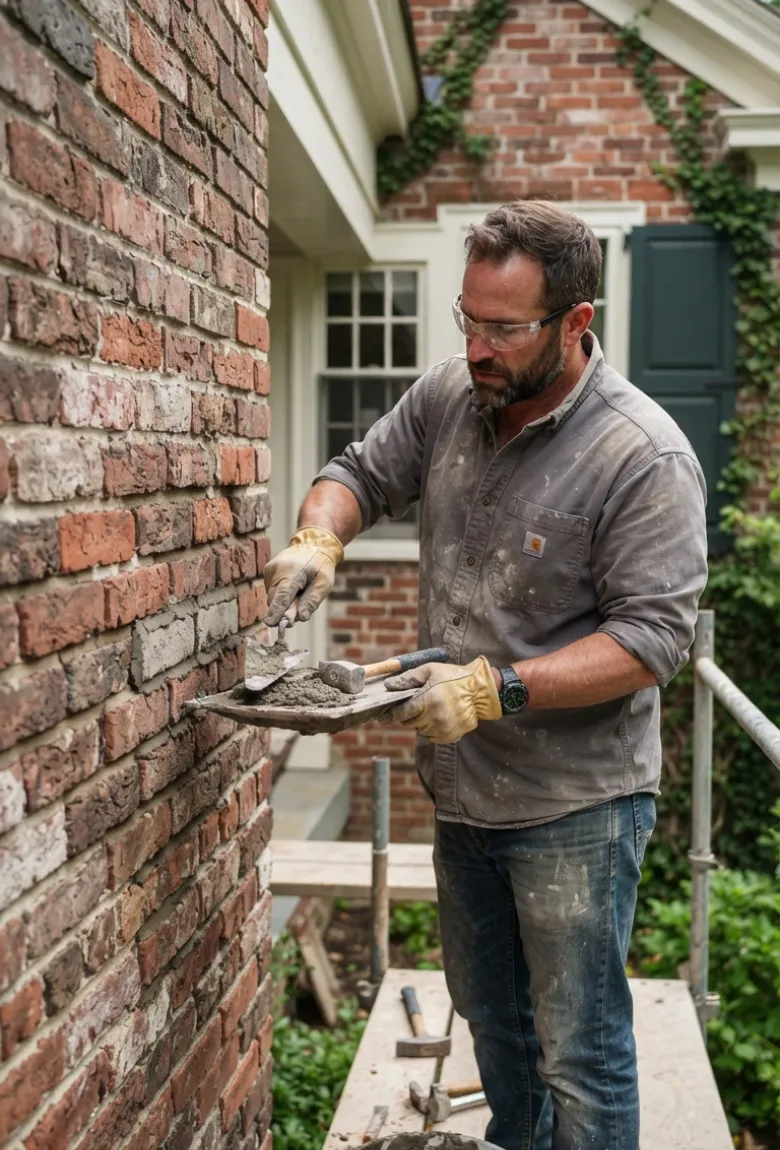
We don’t just “patch” holes. We follow a rigorous historical restoration process
We carefully rake out the old mortar to a specific depth without damaging the surrounding bricks.
This is where we shine. We analyze your existing mortar to match the color, texture, and—most importantly—the strength. Using a mortar that is too hard can actually cause bricks to “spall” or crack.
We apply the new mortar in thin layers, packing it tightly to ensure no air pockets remain.
We finish the joints to match the original architectural style of your home, whether it’s a concave, V-joint, or weather-struck finish.
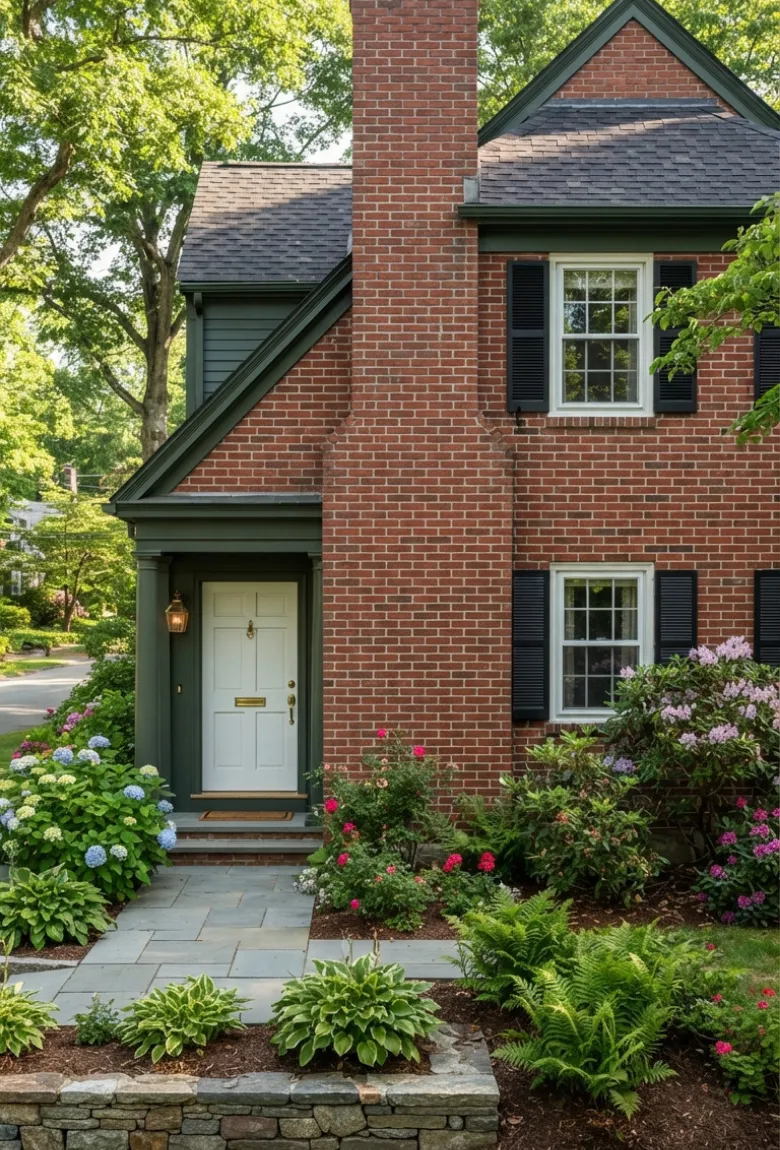
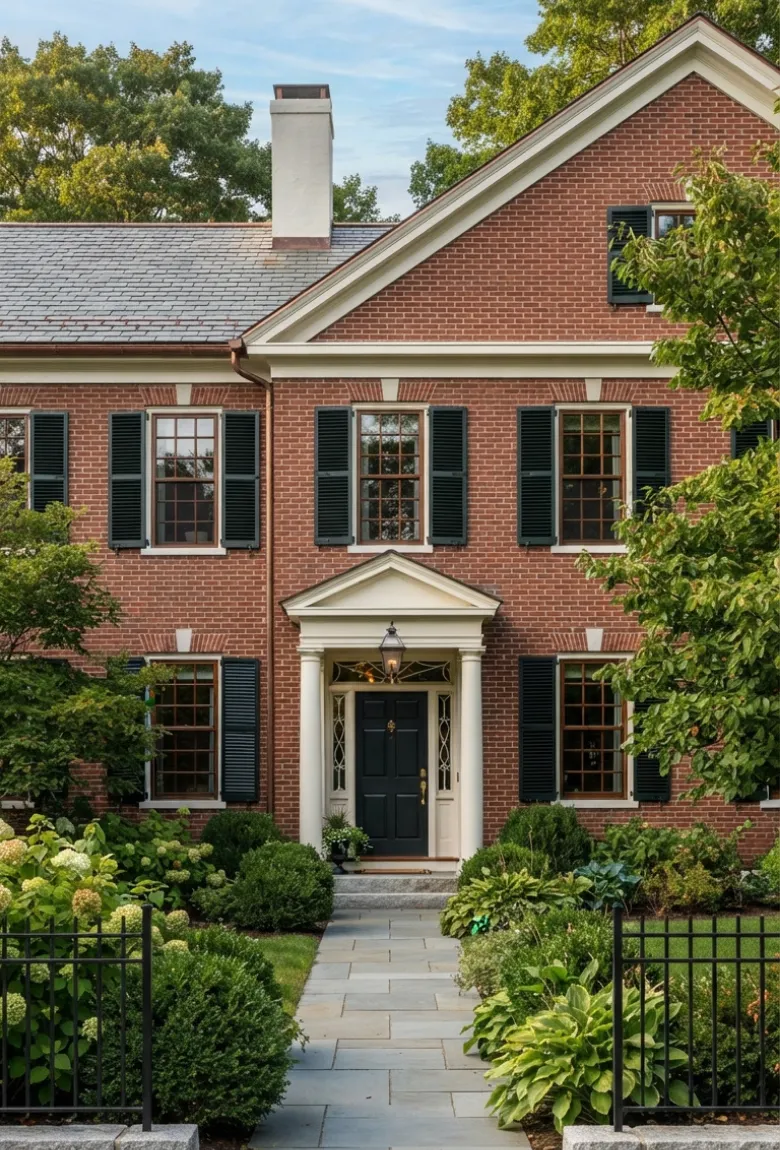
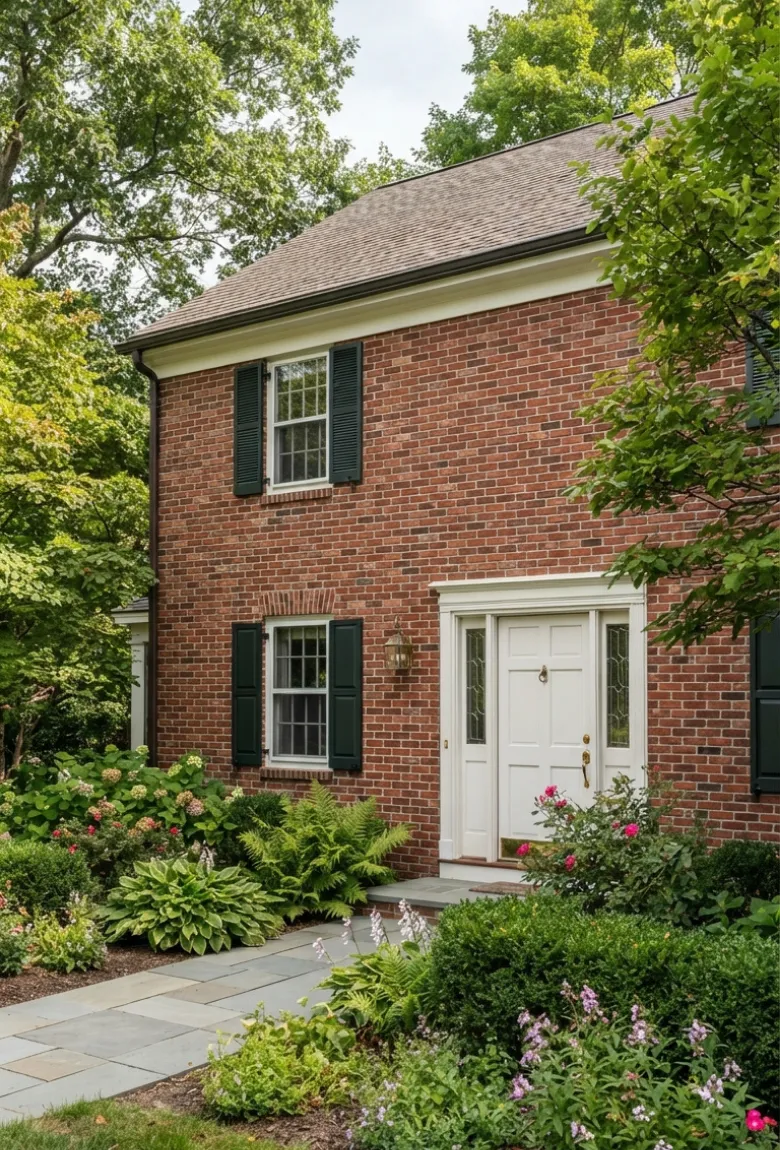
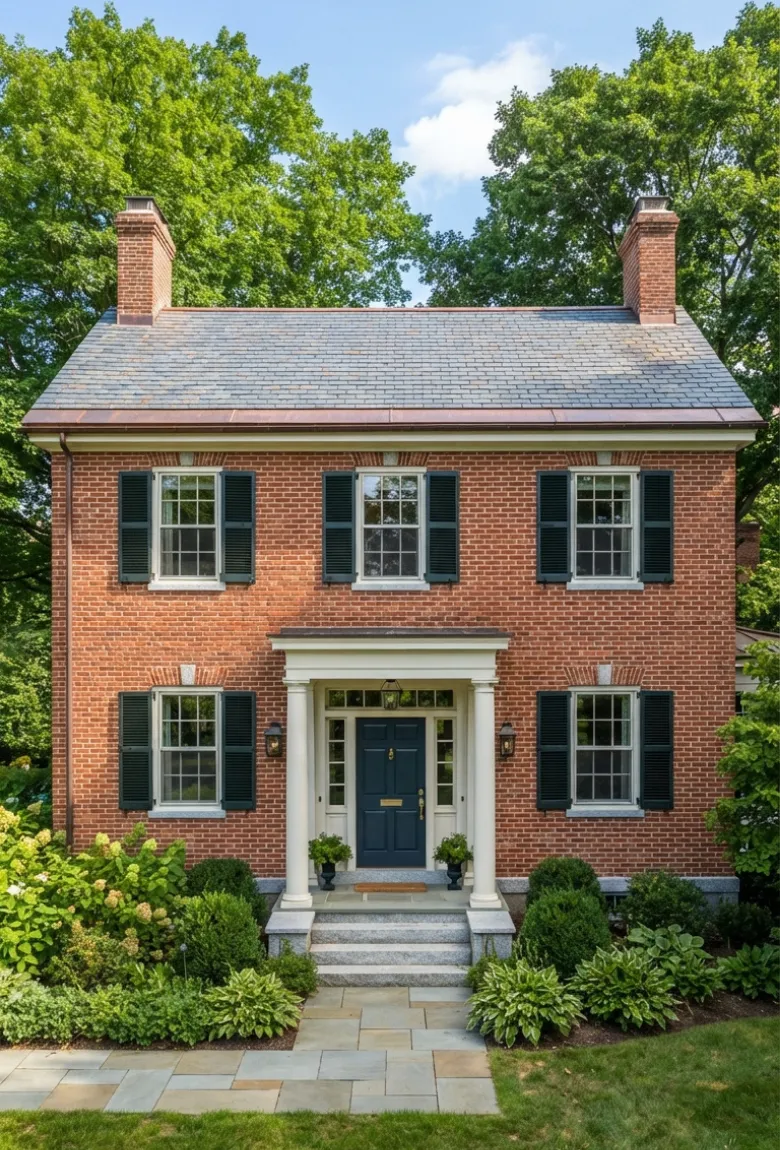
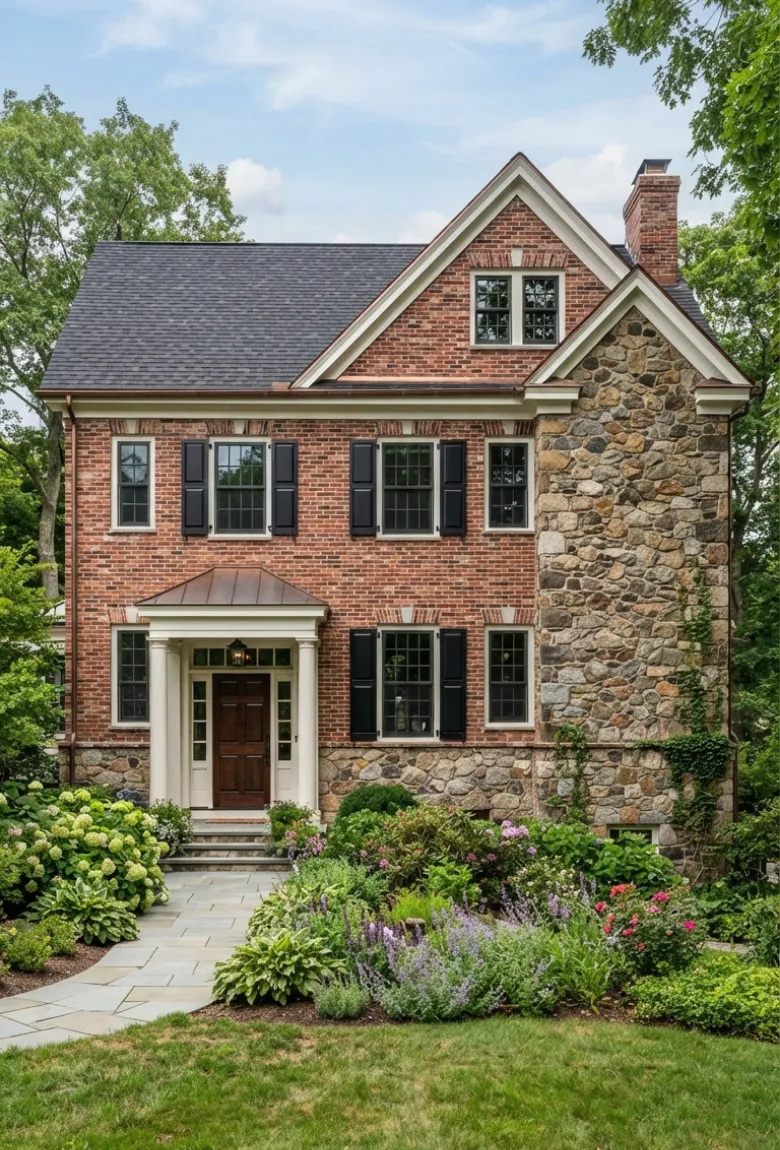
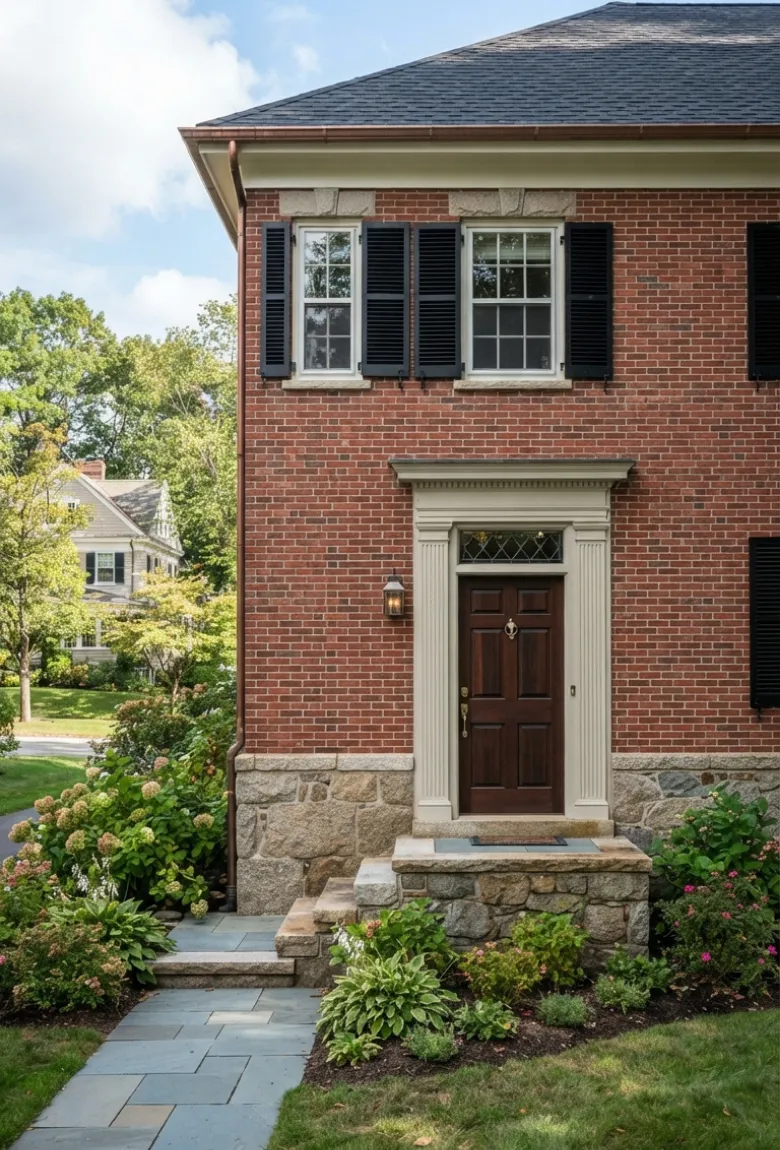
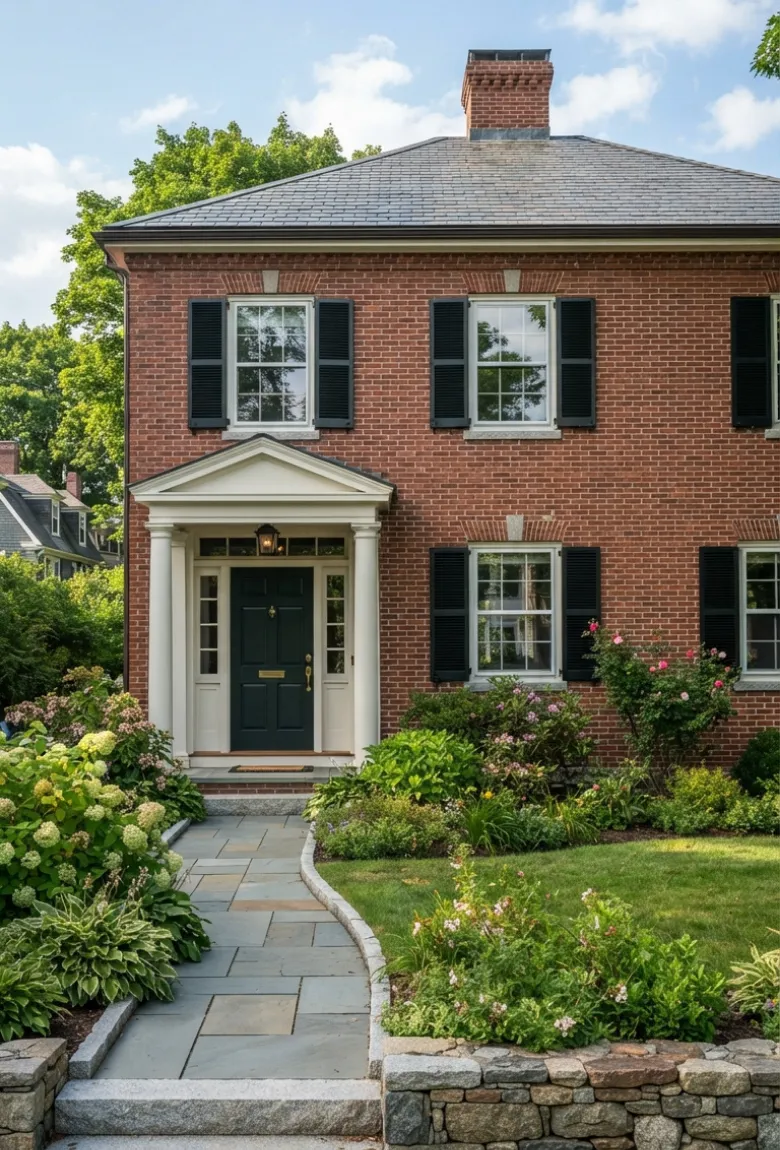
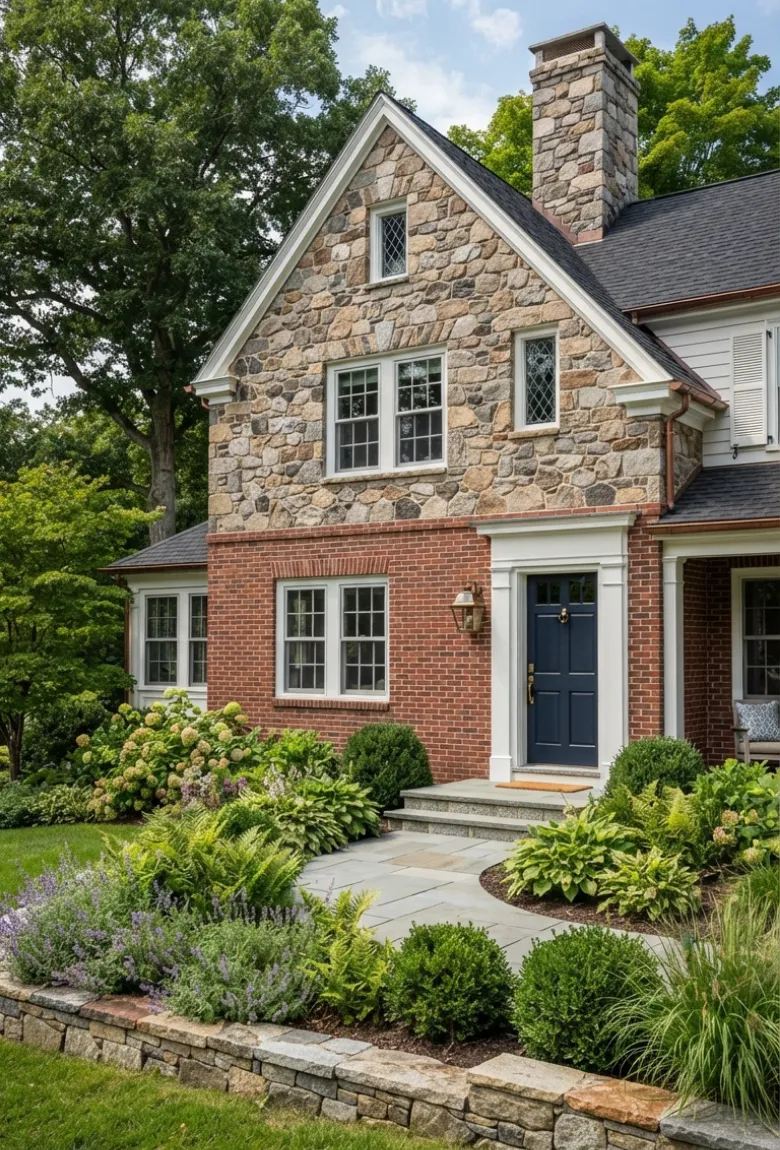
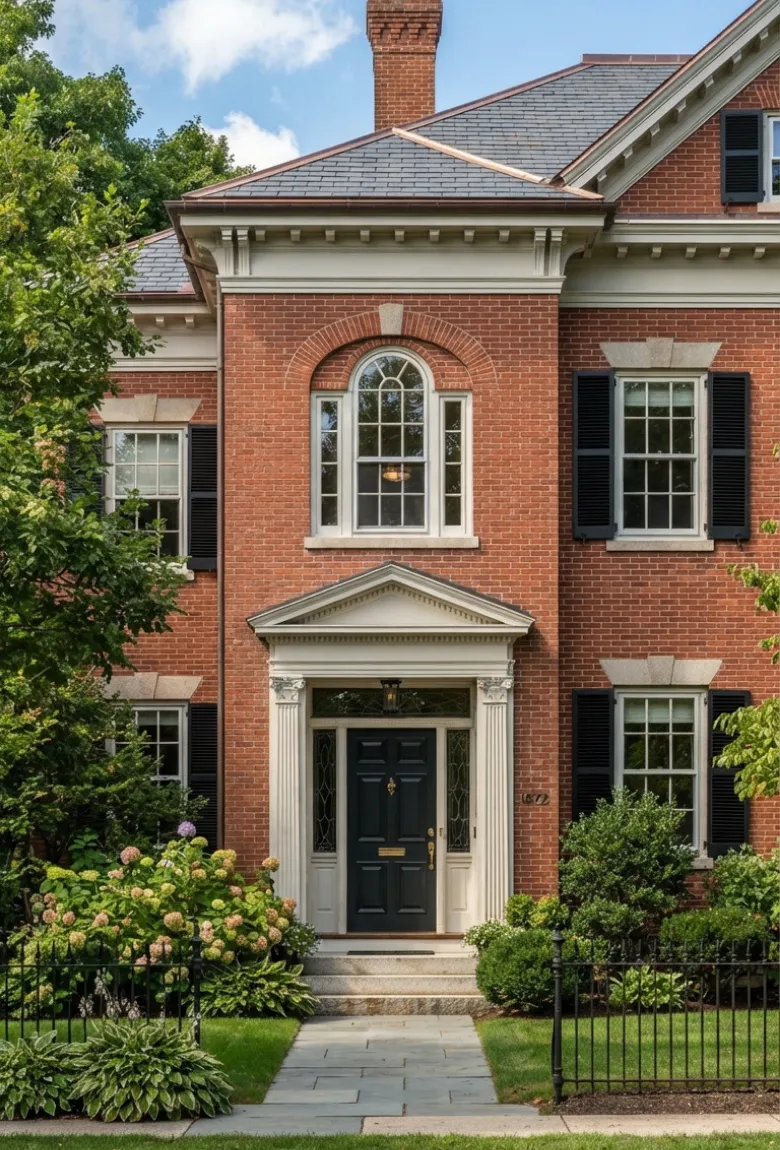
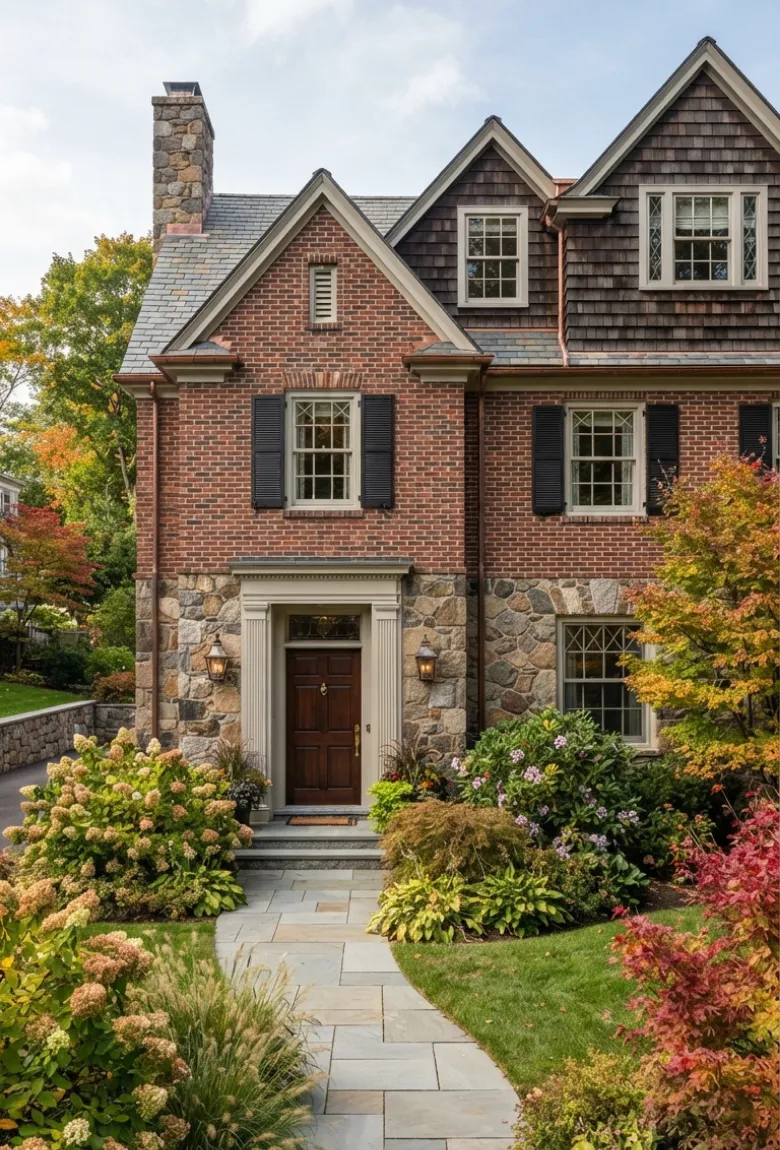
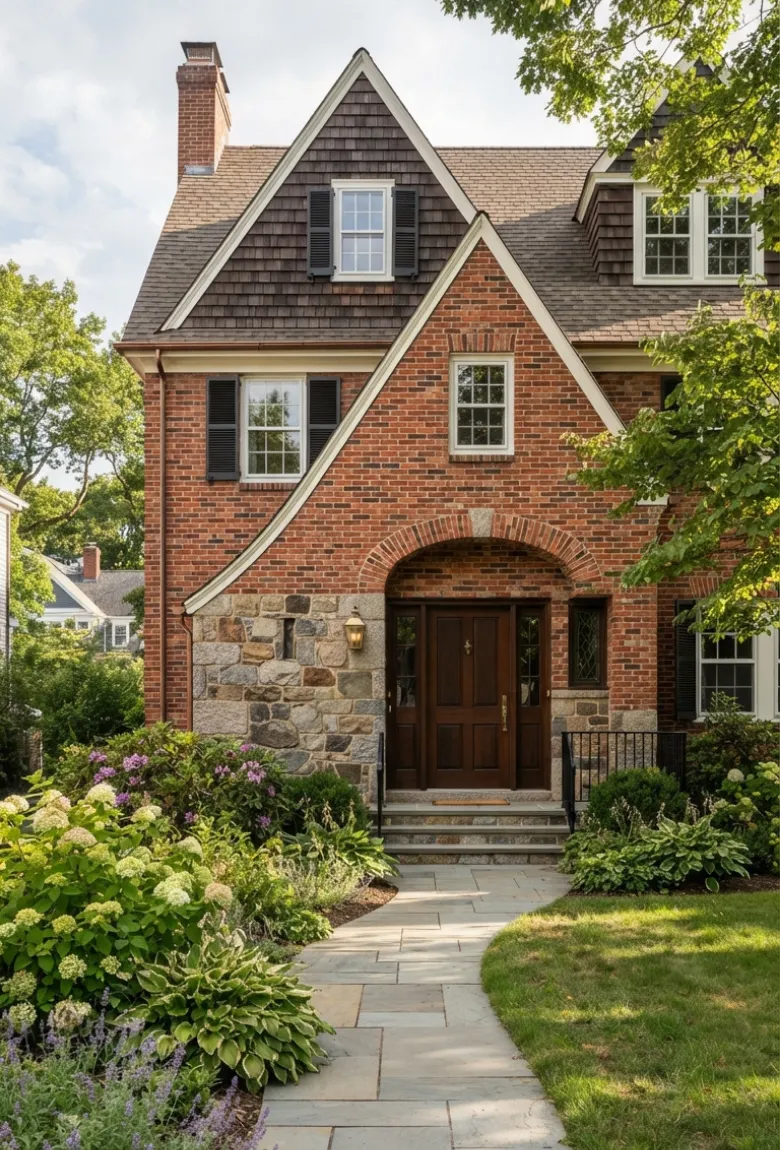


Many Canton residents ask about the difference. While repointing is about structural repair, Tuckpointing involves using two different colors of mortar to create a “illusion” of perfectly straight, thin joints. This is ideal for historic homes near the Paul Revere Heritage Site that require a very specific aesthetic.

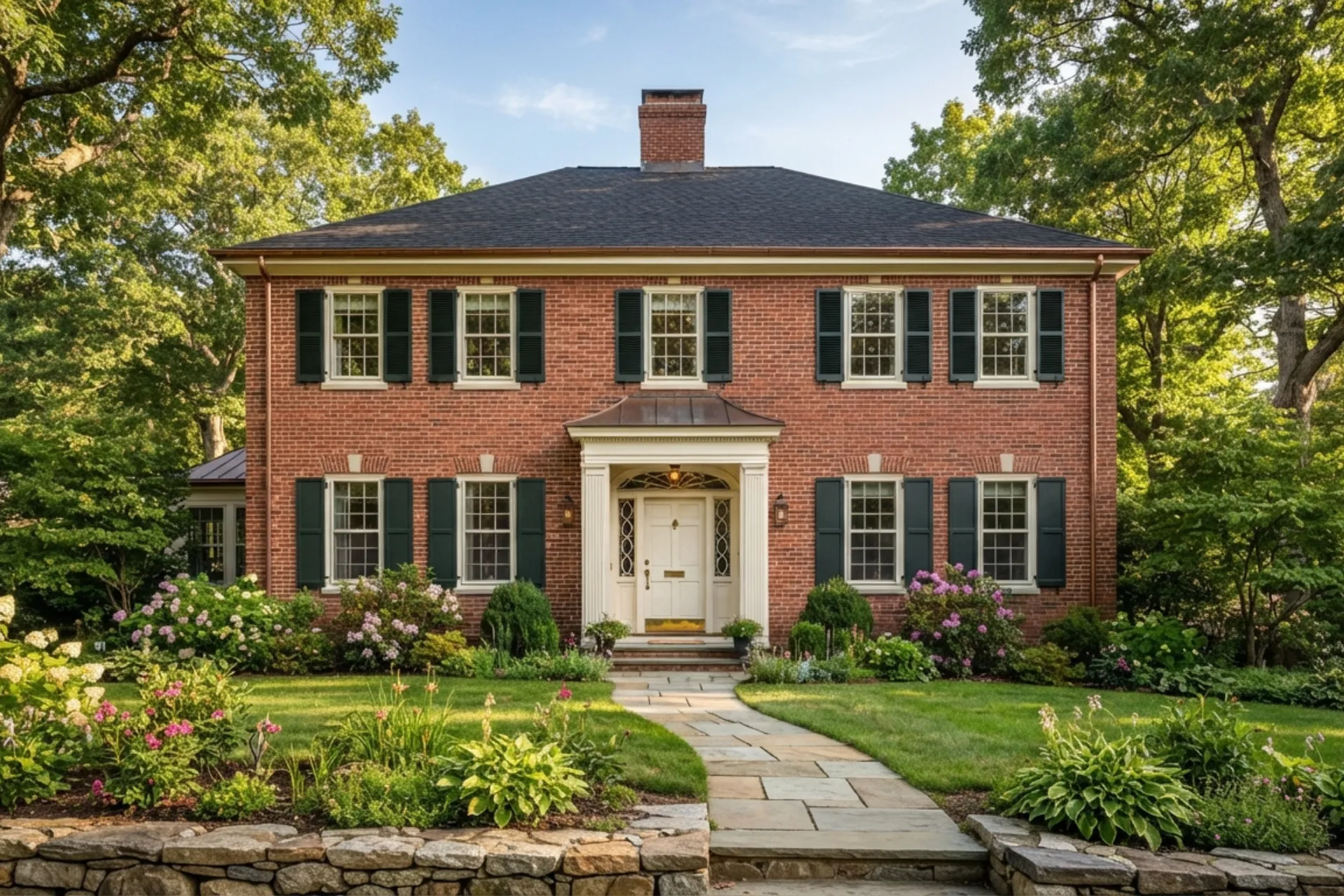
Cracked, loose, or deteriorating mortar can allow water into your masonry and weaken brick or stonework over time. Our professional repointing services restore damaged mortar joints, improve appearance, and help extend the life of your masonry.
Repointing is the process of removing deteriorated mortar from existing masonry joints and placing compatible replacement mortar into the prepared joints.
Missing mortar, crumbling joints, recessed joints, open gaps and deteriorated previous mortar repairs can indicate that repointing should be considered.
No. Repointing addresses mortar joints. Cracked, spalled, broken or loose masonry units may require separate brick or stone repair.
Repointing renews deteriorated mortar joints. Traditional tuckpointing is a decorative joint-finishing technique that uses contrasting mortar or fine fillet work to create a more regular joint appearance.
No universal waterproofing guarantee should be made. Repointing addresses deteriorated mortar joints, while water entry can also involve masonry units, flashing, openings, roof transitions and other building conditions.
Existing mortar can change through age and weathering, so exact color or texture matching cannot always be guaranteed. The replacement mortar should be selected for compatibility with the existing masonry and project requirements.
No. Repointing renews mortar joints. Foundation movement, settlement, bowing walls or structural reinforcement belong to foundation-repair work rather than ordinary masonry repointing.
Contact Ifix Masonry & Home Improvements at +1 617-251-3916 or info@Ifixmasonry.com. The business is located at 437 Turnpike St, Canton, MA 02021.